
obscure glass windows for bathrooms
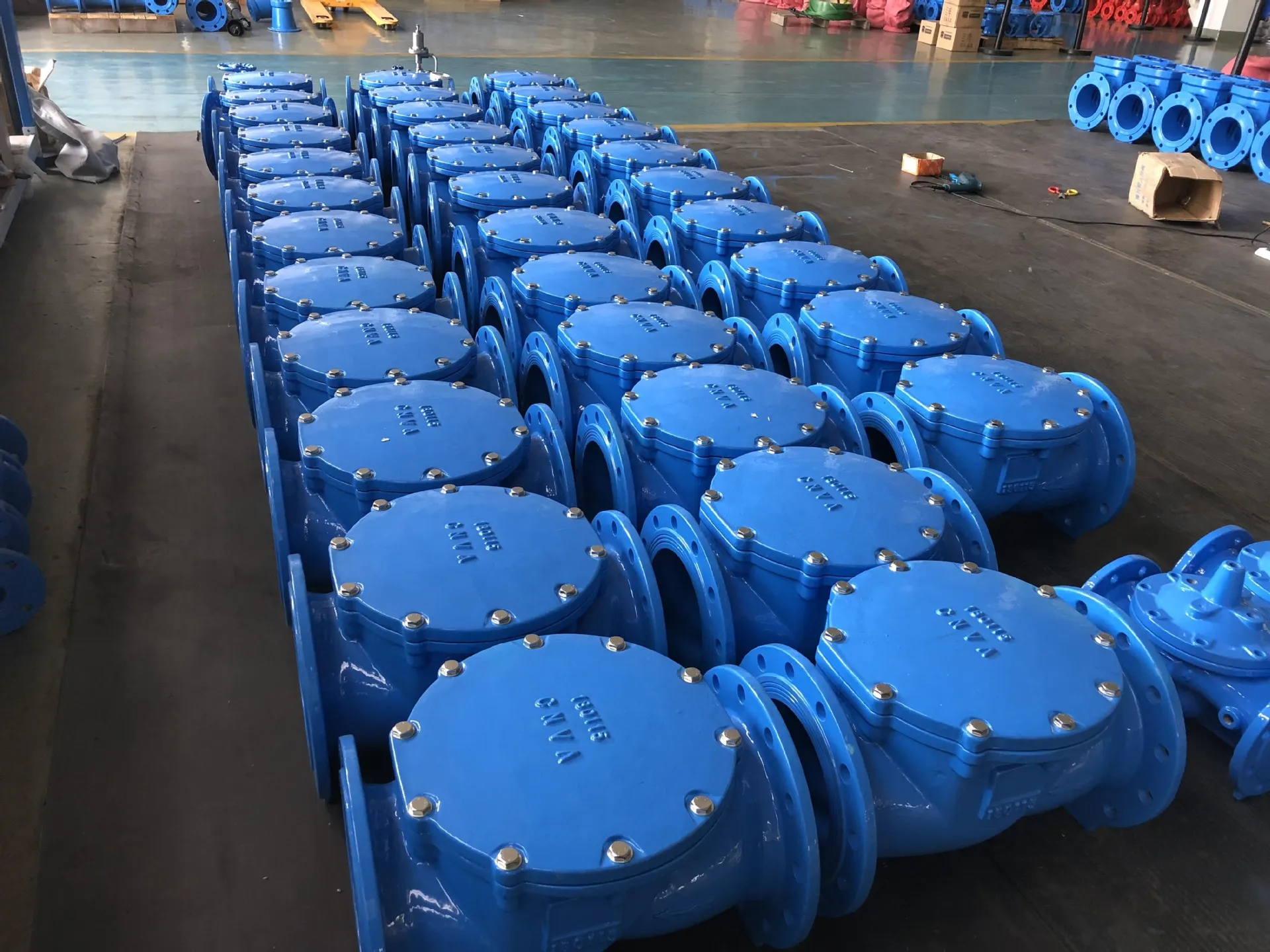
Understanding the Tilting Disc Check Valve A tilting disc check valve is an essential component in fluid transport systems, designed to prevent backflow while allowing forward flow. This type of valve is particularly notable for its innovative design and efficiency, making it a popular choice in various industrial applications. In this article, we will explore the working mechanism, advantages, and applications of tilting disc check valves. Working Mechanism The tilting disc check valve operates based on a simple yet effective principle. At its core, the valve consists of a disc, which is pivoted at a point to tilt open or closed. When fluid flows in the forward direction, the pressure lifts the disc away from the seat, allowing unhindered flow. However, if there is any reverse flow or backpressure, the disc tilts back against the seat, effectively blocking the flow. This tilting mechanism is what distinguishes it from traditional check valves, which often rely on a spring or other mechanisms to close. The design of the tilting disc allows for quick response times, reducing the risk of water hammer and minimizing turbulence. Moreover, the streamlined flow path ensures that the valve can accommodate high flow rates with minimal pressure drop, enhancing overall system efficiency. Advantages of Tilting Disc Check Valves 1. Reduced Maintenance Needs Unlike other types of check valves that may wear down due to mechanical parts or springs, the tilting disc offers a simpler design with fewer moving components. This results in lower maintenance requirements and a longer lifespan. 2. High Flow Capabilities The streamlined shape of the tilting disc allows for higher flow capacities compared to traditional check valves. This feature makes it ideal for use in systems where fluid dynamics are critical, such as in power plants, water treatment facilities, and chemical processing. 3. Minimal Pressure Drop The design of the tilting disc reduces friction and turbulence when fluid flows through, resulting in minimal pressure drop across the valve. This efficiency translates to lower energy consumption and operating costs. 4. Adaptable to Different Orientations Tilting disc check valves can be installed in various orientations—vertical, horizontal, or inclined—without affecting their performance . This flexibility makes them suitable for a wide range of applications and installation requirements. tilting disc check valve 5. Durability Constructed with robust materials such as stainless steel, cast iron, or bronze, tilting disc check valves are built to withstand high pressures and corrosive environments, enhancing their reliability and performance. Applications Tilting disc check valves find widespread use across various industries - Water and Wastewater Management In municipal water systems, these valves regulate water flow and protect against backflow, ensuring clean water supply and protection for treatment facilities. - Power Generation Power plants utilize these valves in cooling water systems and other processes where maintaining pressure and flow direction is critical. - Oil and Gas In pipelines and refineries, tilting disc check valves help manage flow direction and prevent backflow, ensuring safety and operational efficiency. - Chemical Processing The chemical industry often relies on tilting disc check valves to prevent contamination and backflow in systems handling reactive and hazardous materials. Conclusion The tilting disc check valve is a remarkable invention in fluid control technology. With its unique tilting mechanism, high flow capacity, and low maintenance requirements, it offers numerous advantages for various applications. As industries continue to seek more efficient and reliable solutions for fluid management, the tilting disc check valve will undoubtedly cement its role as a vital component in modern engineering. Embracing this technology not only promotes operational efficiency but also enhances systems' safety and reliability, making it an indispensable choice for engineers and operators alike.
about
obscure glass windows for bathrooms
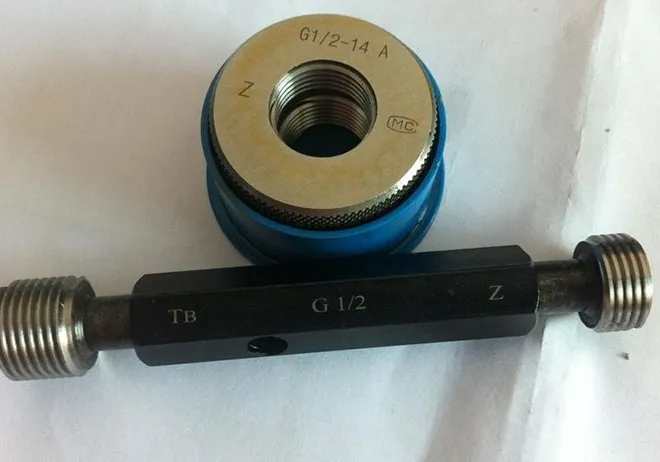
Understanding Internal Bore Gauges An Essential Tool for Precision Engineering In the realm of manufacturing and mechanical engineering, precision is paramount. One of the indispensable tools that help achieve this precision is the internal bore gauge. This instrument is specifically designed to measure the diameter of a hole or bore, ensuring that products meet stringent specifications and standards. This article delves into the functionality, types, applications, and importance of internal bore gauges in the industry. What is an Internal Bore Gauge? An internal bore gauge is a precision measuring tool used to determine the internal diameter of cylindrical objects, such as pipes, tubes, and various components with drilled or bored holes. Unlike external measuring tools, which measure outside diameters, the internal bore gauge fits inside the bore and expands to make contact with the inner walls. This allows for an accurate measurement of the internal features, which is crucial for quality control in manufacturing processes. Types of Internal Bore Gauges There are several types of internal bore gauges, each designed for specific applications and measurement ranges 1. Dial Bore Gauges These are among the most common types used in industry. They feature a dial indicator and a set of arms that expand to contact the walls of the bore. As the gauge is inserted into the bore, the dial reads the diameter, often allowing for very precise measurements. 2. Digital Bore Gauges These modern devices utilize electronic sensors and digital readouts to measure bore diameters. They are favored for their ease of use and ability to provide quick, accurate measurements with less manual calculation involved. 3. Tapered or Conical Bore Gauges These gauges can measure slightly tapered bores, providing measurements for components that may not be perfectly cylindrical . internal bore gauge 4. Go/No-Go Gauges Designed for quick checks, these gauges indicate whether a bore is within specified limits. If the gauge fits, it indicates that the diameter meets the minimum requirement (Go), while if it doesn't fit, it indicates a defect (No-Go). Applications of Internal Bore Gauges Internal bore gauges are utilized across a wide range of industries - Manufacturing In the production of engine components, valve guides, and hydraulic cylinders, ensuring exact dimensions is crucial for performance and longevity. - Aerospace With stringent safety and performance standards, aerospace components must adhere to precise specifications, and internal bore gauges are essential in these quality assurance procedures. - Automotive The automotive industry uses bore gauges to measure everything from cylinder bores to pin holes, helping to maintain performance and efficiency in vehicles. - General Engineering From construction equipment to everyday machinery, many products require precise interior measurements, making bore gauges a staple in workshops and factories. Importance of Internal Bore Gauges The significance of internal bore gauges cannot be overstated. They help ensure that components fit together correctly, preventing issues such as excessive wear, malfunction, or failure during operation. Accurate measurements contribute to overall product quality, enhance operational efficiency, and reduce costly rework or replacement due to defects. Moreover, the use of internal bore gauges aligns with industry standards for quality management systems, such as ISO, which emphasize the need for precision tools in manufacturing processes. By adopting best practices in measurement, manufacturers not only meet these standards but also enhance their reputation and competitiveness in the market. Conclusion In conclusion, internal bore gauges play a critical role in the realm of precision engineering. Their ability to accurately measure internal dimensions ensures that components are built to specification, facilitating quality control and operational efficiency across various industries. As technology continues to evolve, so too does the precision of these tools, driving advancements in measurement that ultimately contribute to the overall effectiveness of manufacturing processes and the reliability of the products we use every day.
-

High quality industrial productsagement

High quality industrial products
View Details -

Meet the diverse needs of customers

Meet the diverse needs of customers
View Details -

Strict quality control

Strict quality control
View Details -

Top raw materials

Top raw materials
View Details -

Trusted supplier

Trusted supplier
View Details
Our application

news and information
ventil üçün yeni yanaşmalar və innovativ həllər axtarışı
Ağzı Xaraq İki Yoldaş Arasındakı Əhəmiyyətli Rol Ağzı xaraq, müasir sənaye və mühəndislikdə kritik b

welding table price
Understanding Welding Table Prices A Comprehensive Guide Welding is a vital process in various indus

Welding Workbench for 4x8 Projects A Sturdy and Versatile Solution for Fabrication Work
Welding is a crucial process in the manufacturing industry, and having the right equipment is essent
 English